
Our Process
-
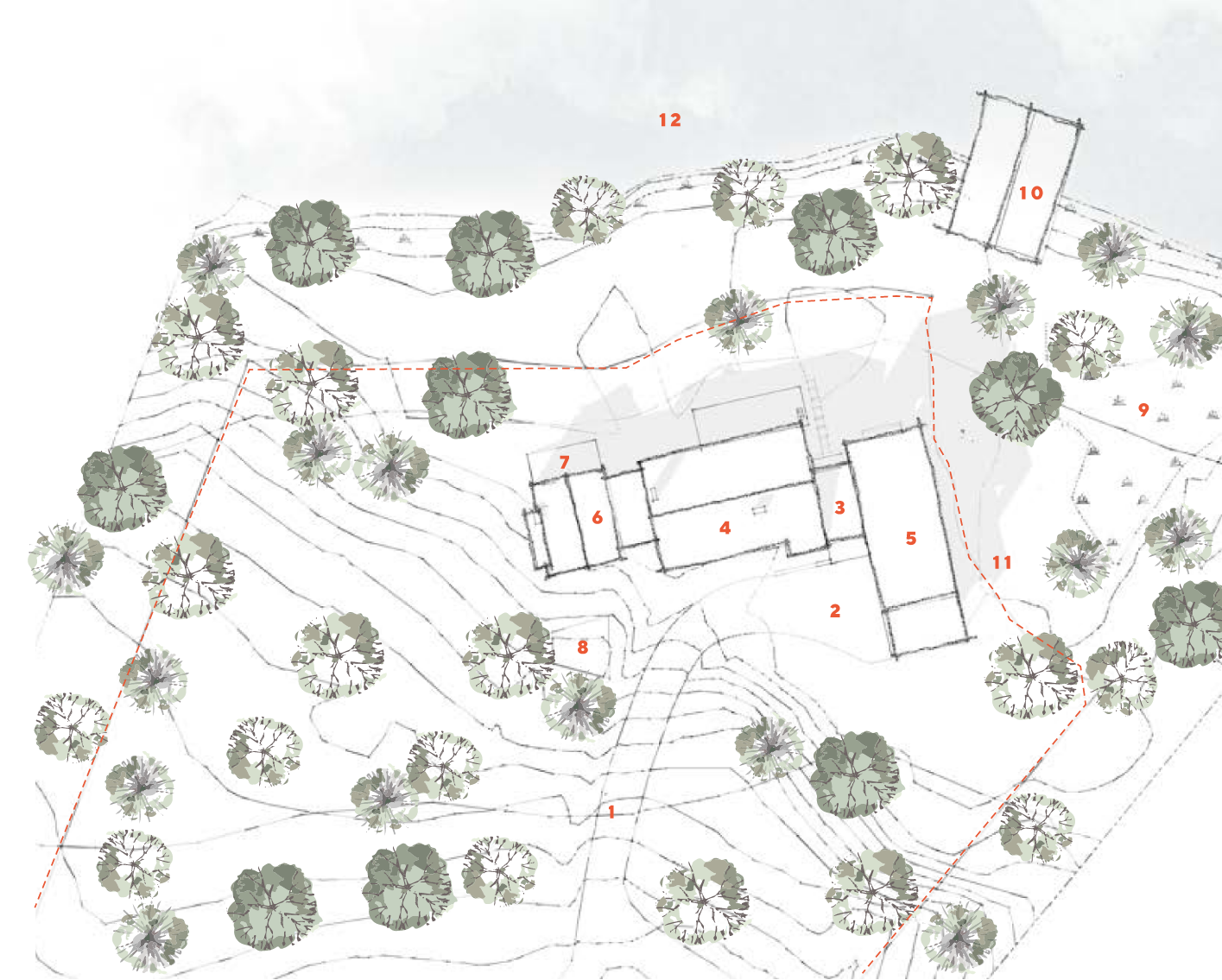
01. Pre-design Information Gathering/Feasibility
Key steps in this phase include:
Zoning Research: We conduct thorough research into local zoning ordinances and building codes to determine what is legally permissible on your site. This ensures that the project is viable from a regulatory standpoint before significant design work begins.
Site Survey: If a current survey is not available, we coordinate a professional land survey to accurately map existing conditions, including topography, property lines, easements, and utility locations. This crucial data informs all design decisions.
Existing Structure(s) As-Built Measurements: For renovation or addition projects, we measure and document the existing building(s) to create accurate "as-built" drawings. This provides an reference plans and dimensions for integrating new designs seamlessly with the current structure.
Project Information Gathering: This collaborative step is where we translate your aspirations into a clear design brief. We work with you to gather essential project details, including:
Inspiration Images: Understanding the architectural styles and atmospheres that resonate with you.
Project Programming: Defining the required spaces, their relationships, and how you intend to use them.
Size Requirements: Establishing the necessary square footage for each area and the overall project footprint.
By completing this rigorous information gathering and feasibility study, we establish a thoughtful, informed path forward, laying a solid groundwork for a successful and inspiring home design.
-
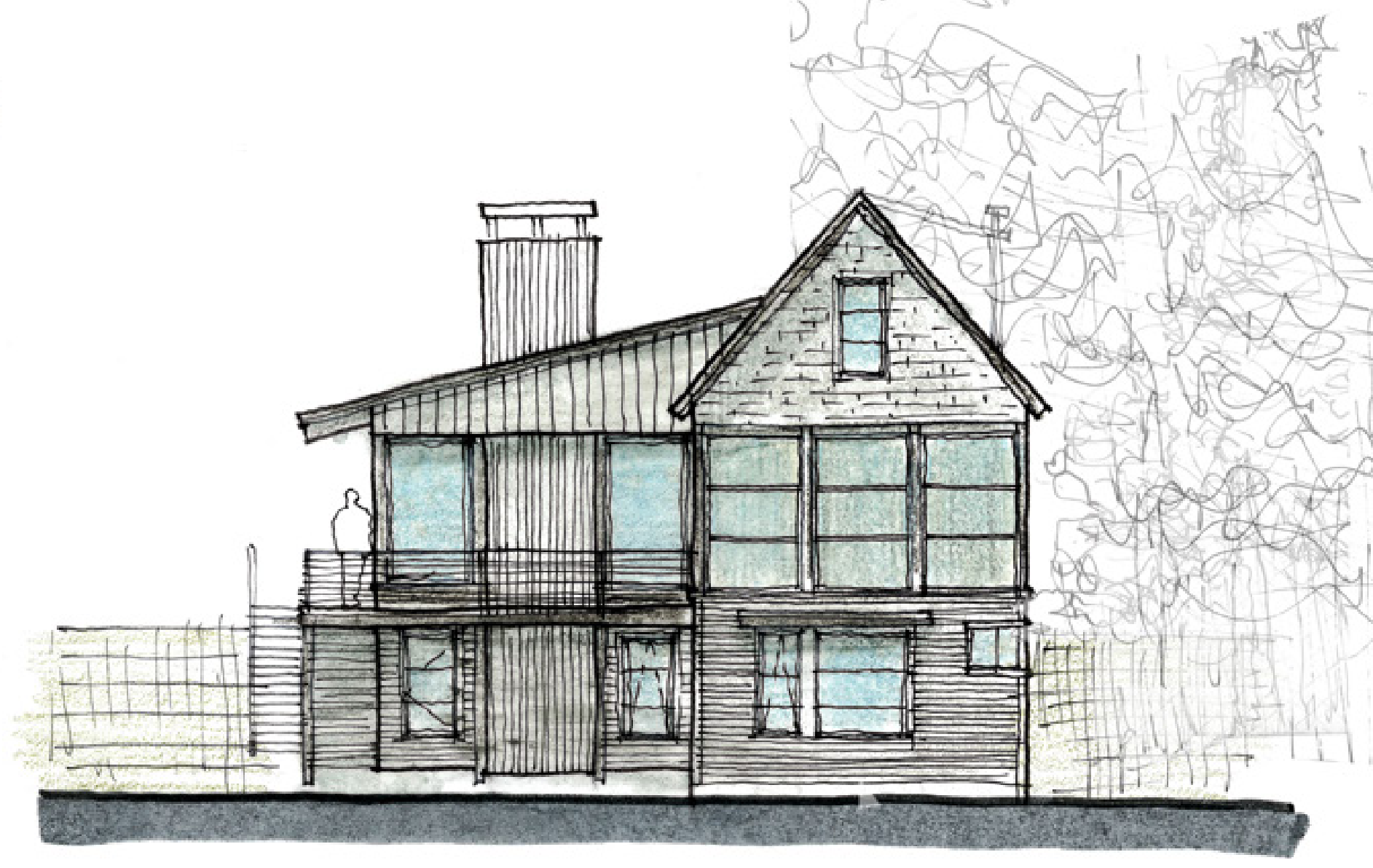
02. Schematic Design
The Schematic Design (SD) phase of the project is where your vision and begin to transform it into tangible concepts.
Design is an iterative process, and as we progress through the project, we move from broad concepts toward increasingly specific details. At this stage, we start at a high level by roughing out initial concepts—typically one or two main approaches, depending on the complexity of the project—to review together during our first design meeting.
Our key steps in this phase include:
Schematic Design:
We use an initial series of meetings to test ideas, exploring what works and what doesn’t while understanding how you process the presented information and discussed ideas.
Each subsequent presentation builds directly from the feedback and discussions of the last, iterating until we all feel comfortable with a unified design direction.
The goal at this stage is conceptual alignment and establishing the overall massing, flow, and character of the home. The layout does not need to be perfect or finalized now; we will have opportunities for detailed changes and edits in the design phases following.
Initial Builder Outreach:
Once a schematic design concept is agreed upon, we facilitate preliminary communication with potential builders or general contractors.
This initial outreach allows us to present the rough scope of work, gather early high-level feedback regarding current market conditions and construction feasibility, and on larger projects, ask the builder to prepare for a more formal cost study of the project as we move into the next phase of design.
-
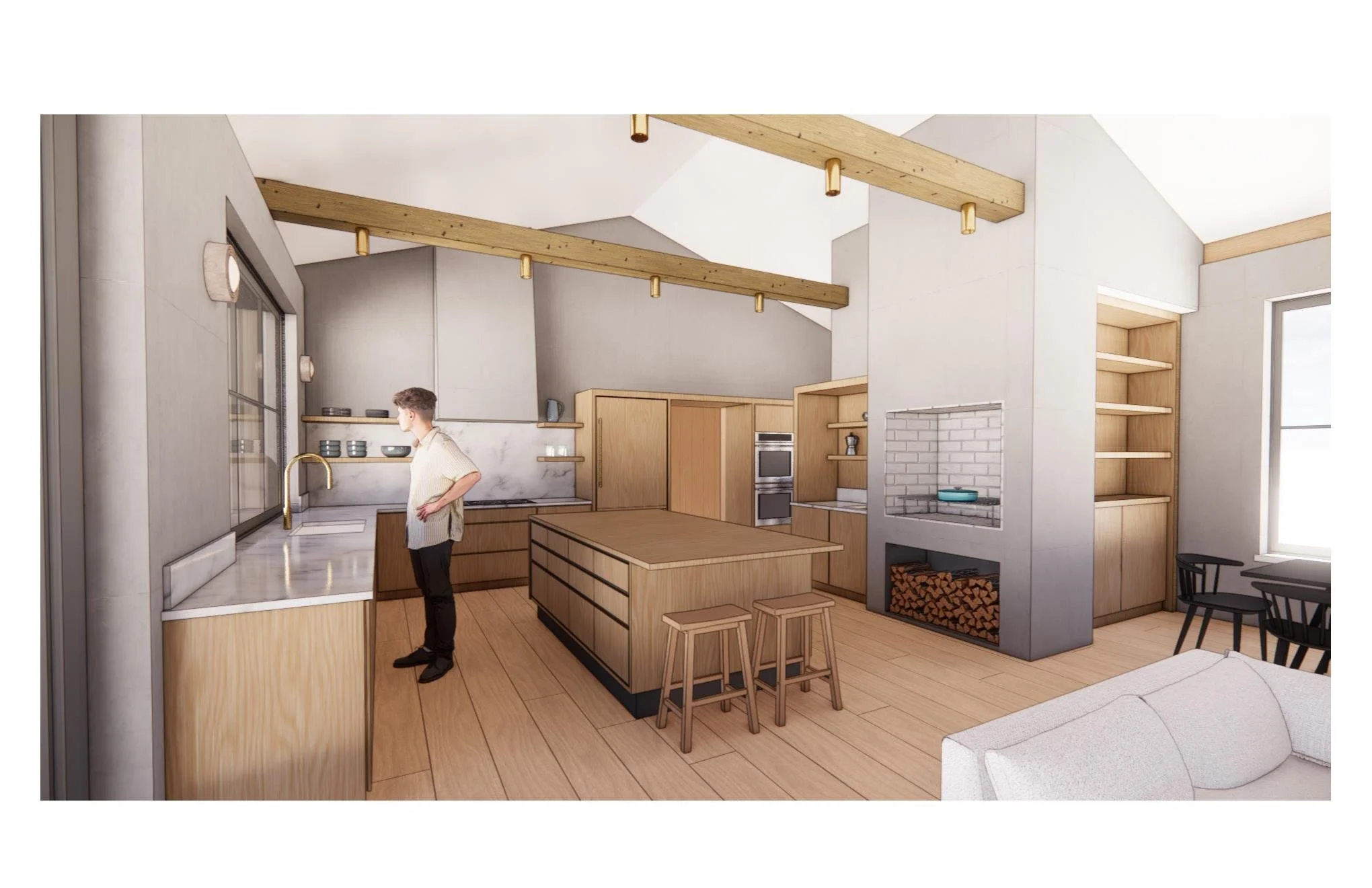
03. Design Development
The Design Development (DD) phase refines and expands upon the approved Schematic Design (SD), translating foundational concepts into detailed, coordinated specifications and selections that prepare the project for accurate construction pricing and documentation. This phase is critical for ensuring thoughtful execution, achieving highly accurate budgeting, and establishing a streamlined process for the subsequent construction phase.
Our primary goals for the Design Development phase are:
1. Kick Off Consultant Coordination
We initiate coordination efforts with necessary design consultants, working collaboratively toward full Construction Drawings (CDs). The specific consultants required—such as structural engineers, civil engineers, mechanical engineers, landscape architects, and interior designers—vary based on the unique type and complexity of each project.
Consultant Roles: We engage specialized experts to integrate their system designs seamlessly with the architectural vision.
2. Details Client Decision-Making and Selection Process
Detailed decision-making regarding nearly all project components occurs during this phase. This systematic approach ensures the design is fully realized before construction begins, which helps prevent costly and time-consuming changes in the field.
The selections finalized during DD include:
Plumbing fixtures, windows and doors, interior and exterior finishes, cabinetry details, lighting fixtures and locations, hardware and appliances, flooring, and tile
Our Process for Selections:
We facilitate these decisions through a series of structured meetings and ongoing communication via email. We will present options, discuss the pros and cons of various materials/ideas and advise on how selections integrate into the overall design.
3. Goals and Outcomes
The overarching goal is to complete the vast majority of design decision-making by the conclusion of the Design Development phase. While most major decisions are finalized during DD, we anticipate and accommodate a handful of items in the construction documents phase. This structured process sets the foundation for a successful, thoughtful, and predictable build.
-
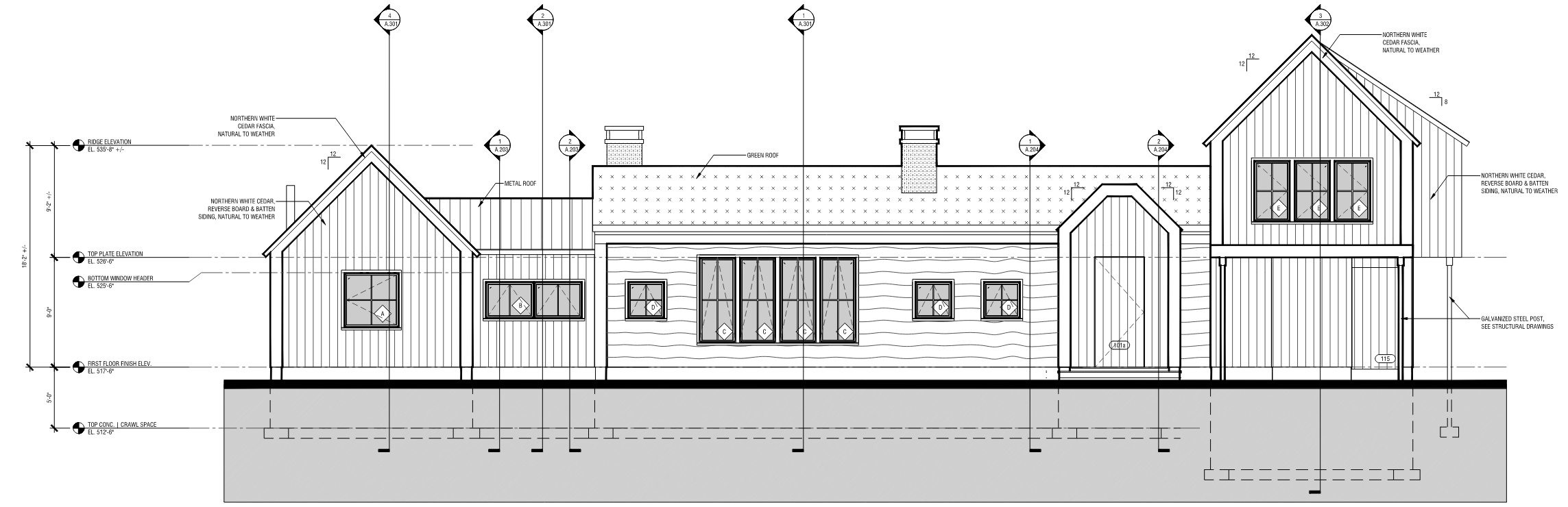
04. Construction Documents
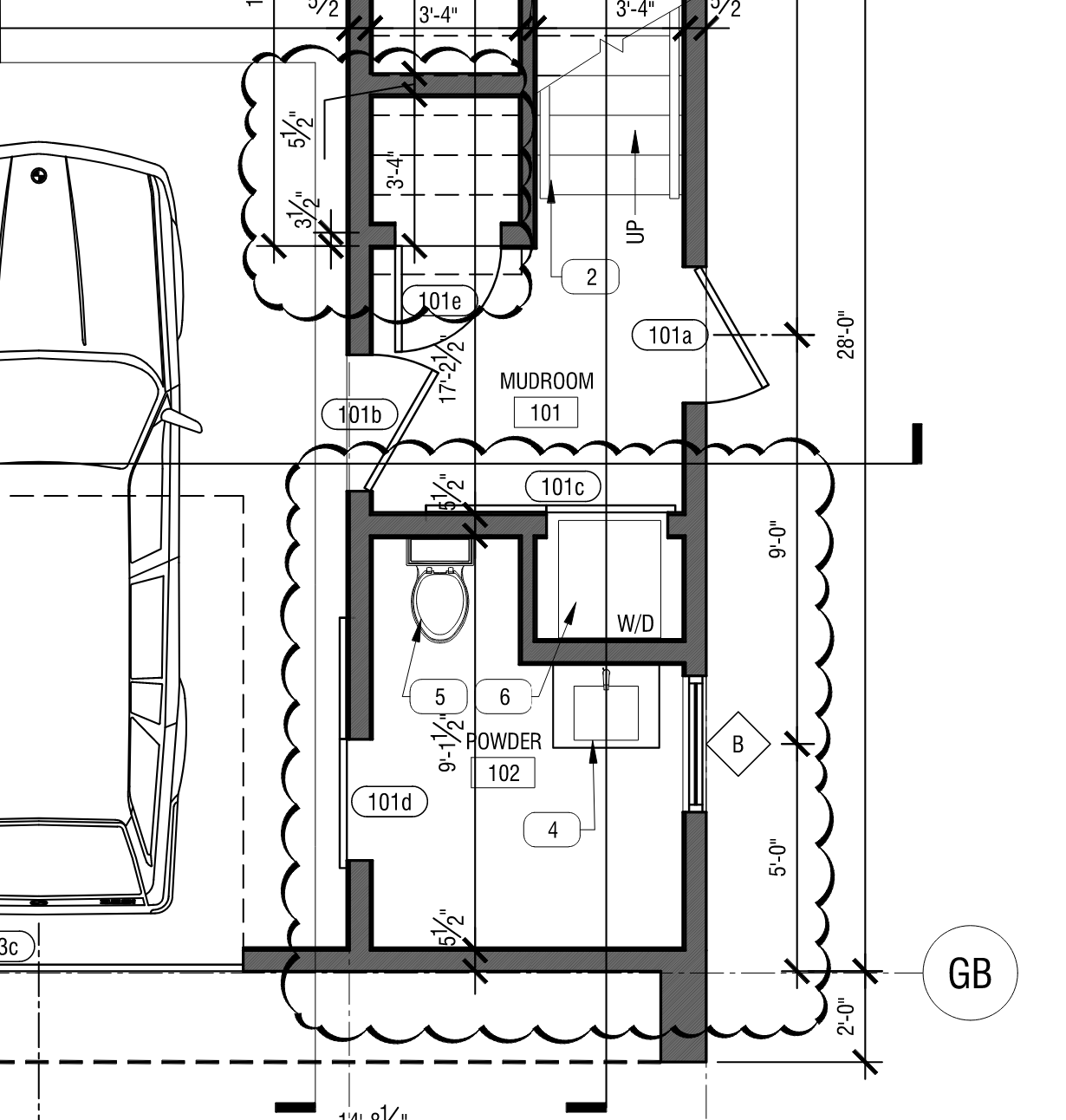
The Construction Documents (CD) phase of the project is where our team develops a set of full construction drawings and detailed specifications that will be used to permit, price, and build the project. These documents are generated by integrating your finalized design decisions with our technical expertise, ensuring critical aspects of the project is clearly communicated. The complete package typically includes, but is not limited to:
Dimensioned Floor Plans
Exterior and Interior Elevations
Building Sections
Construction Details and Assemblies
Comprehensive Finish Schedules
Window and Door Schedules
The precise scope and number of drawings and details delivered are carefully calibrated to match the specific type and complexity of your unique project.
At the conclusion of this phase, the finished documentation is issued concurrently for municipal permitting review and contractor bidding. This synchronized approach allows construction pricing and regulatory approval processes to advance efficiently side-by-side.
-
05. Permitting and Bidding
Permitting
We guide the project through municipal approval processes. Key steps include:
Document Preparation: We finalize a comprehensive set of construction drawings specifically formatted for submission to the local building department.
Submission and Coordination: We work with the owner or general contractor, to submit the permit application and acts as a liaison with city or town officials, including planning boards and building inspectors.
Issue Resolution: We promptly respond to any comments or requests for revisions from the municipality ("plan check comments"), making necessary adjustments to the documents to achieve final approval and secure the building permit.
Bidding
During bidding, the we ensure that potential contractor(s) have a clear understanding of the project scope, enabling fair and accurate pricing:
Contractor Curation: We help our client vet and select qualified general contractors with relevant residential experience who are invited to bid on the project.
Bid Management: We distribute the complete set of construction documents to all bidders, clarifies questions that arise during the bidding period, and issues formal addenda (updates to the documents) if necessary.
Bid Analysis and Negotiation Support: Once bids are received, the we review and analyzes the proposals, checking for completeness and comparing pricing to ensure competitive, apples-to-apples comparisons and provide the owner with a clear recommendation to help select the best-suited contractor for their home.
-
06. Construction Administration
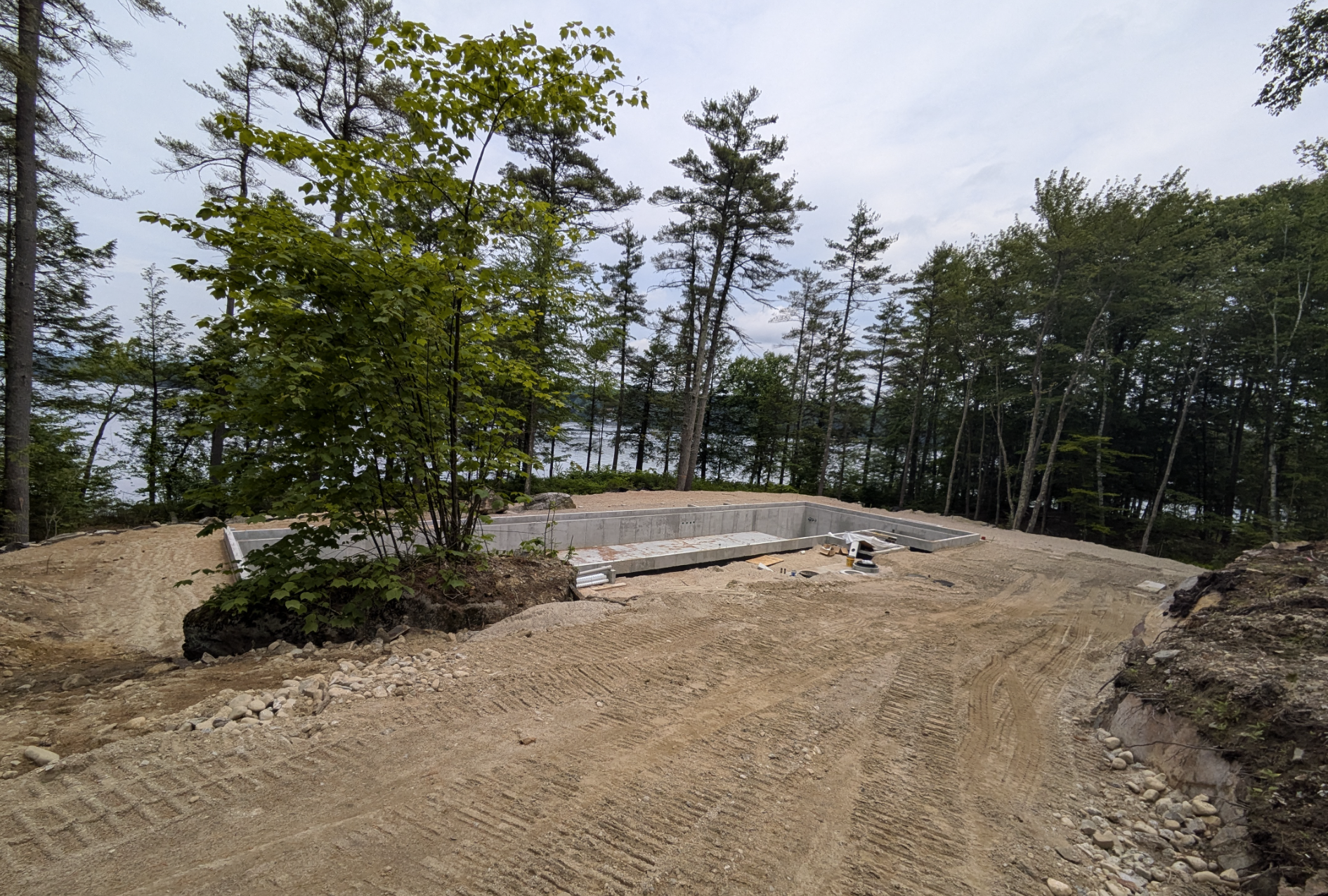
The Construction Administration (CA) phase of the project is where our team acts as the owner’s representative during the course of construction.
Some of the key steps/roles in the phase include:
Site Observation: Conduct regular site visits to monitor progress, ensure general conformance with the drawings and specifications, and document the construction process. The purpose is not to supervise construction but to observe the progress and confirm that the work is proceeding in conformance with the design documents/intent.
Information Management: We manage the flow of information between the owner and the contractor by responding promptly to requests for information (RFIs) and reviewing material samples or shop drawings (submittals) to confirm they meet the design intent.
Financial Oversight: Review the contractor’s applications for payment and manages any necessary changes to the scope, schedule, or budget through formal change orders. This helps protect the client's financial interests and keeps the project on track.
Project Closeout: Creates the "punch list" of final outstanding items, and certifies substantial and final completion, formally concluding the project.